More urgent than first thought, NSW needs 48,000 new apartments
UDIA says
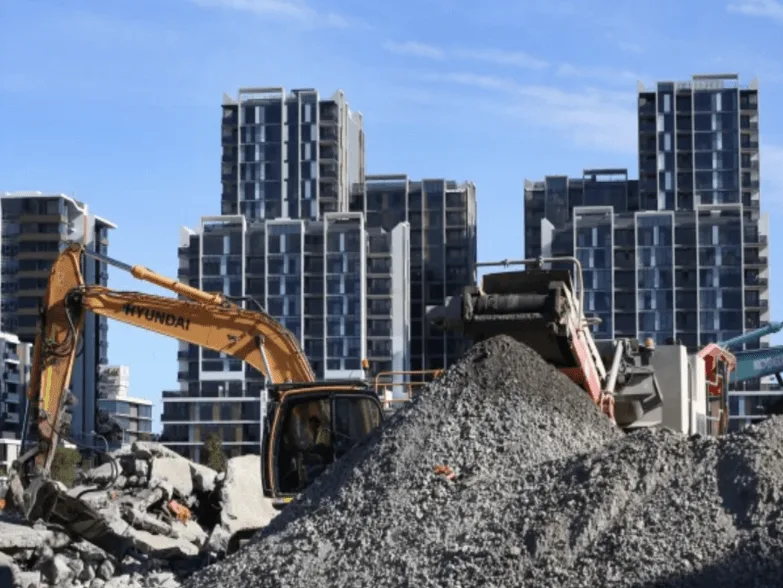
Urban Development Institute of Australia (UDIA) recently reported that there is currently a shortage of apartments, and without government intervention, the shortage could continue to grow.
The current pipeline does not reflect forecasted population growth rates, and availability of apartments and apartment completions is dwindling. UDIA stated its plans in their 2022 report to make large development projects more frictionless. Current forecasts estimate the need for 20,5000 annual high-rise apartments across the Six Cities Mega Region.
Even with the updated figures, the pace of construction is likely not to meet the backlog of development projects that has accumulated. The same UDIA 2022 report believes it will take producing 25,000 new apartments a year for 13 years to get to a state of equilibrium with demand for apartments.

UDIA NSW chief executive Steve Mann said, “Apartments will be a key for the successful future of our state and we must turn the current situation around to avoid rents from escalating and address the demand backlog, so that we can build diverse housing choices for the people of NSW.”
The biggest overall constraint comes from the financial hurdles that either slow down or completely halt apartment development projects. This issue is heightened when politics gets involved. The UDIA report states that “Most major developments encounter significant local opposition”, which in turn creates “political pressure for the local MP.” The planning minister plays a crucial role in this whole process and is often at the centre of difficult decisions. One solution that has been proposed was to set the cabinet as the main amender of densities of major precincts. This would lighten the load of planning ministers and create a higher bar for reducing the number of apartment development projects to go ahead.
In many cases, developers of large projects find these, among others, to be the biggest constraints of pushing forward.